
What is Social Jet Lag?
TL;DR
Social jet lag happens when your bedtime and wake time shift substantially between weekdays and weekends. Your body experiences this repeated change much like travelling between time zones, making Monday mornings harder and sometimes affecting your energy later into the week. The most effective way to reduce it is to choose a 45-minute window for both bedtime and wake time and maintain it across all seven days. Wake time is especially important. Even after a late social night, getting up within your normal window, seeking morning light, and adding movement will help preserve your circadian rhythm and make it easier to return to your usual bedtime that evening.
Why do Mondays feel so difficult?
Your alarm goes off at 6:30 a.m. from Monday to Friday.
By the weekend, you are tired and ready for a break. You stay up later on Friday, sleep until 9:00 or 10:00 on Saturday, and follow a similar schedule again that night.
Then Sunday evening arrives and you are not tired at your usual bedtime.
Monday morning feels terrible. Your alarm may say 6:30, but your body feels like it is being woken several hours earlier.
This pattern is called social jet lag.
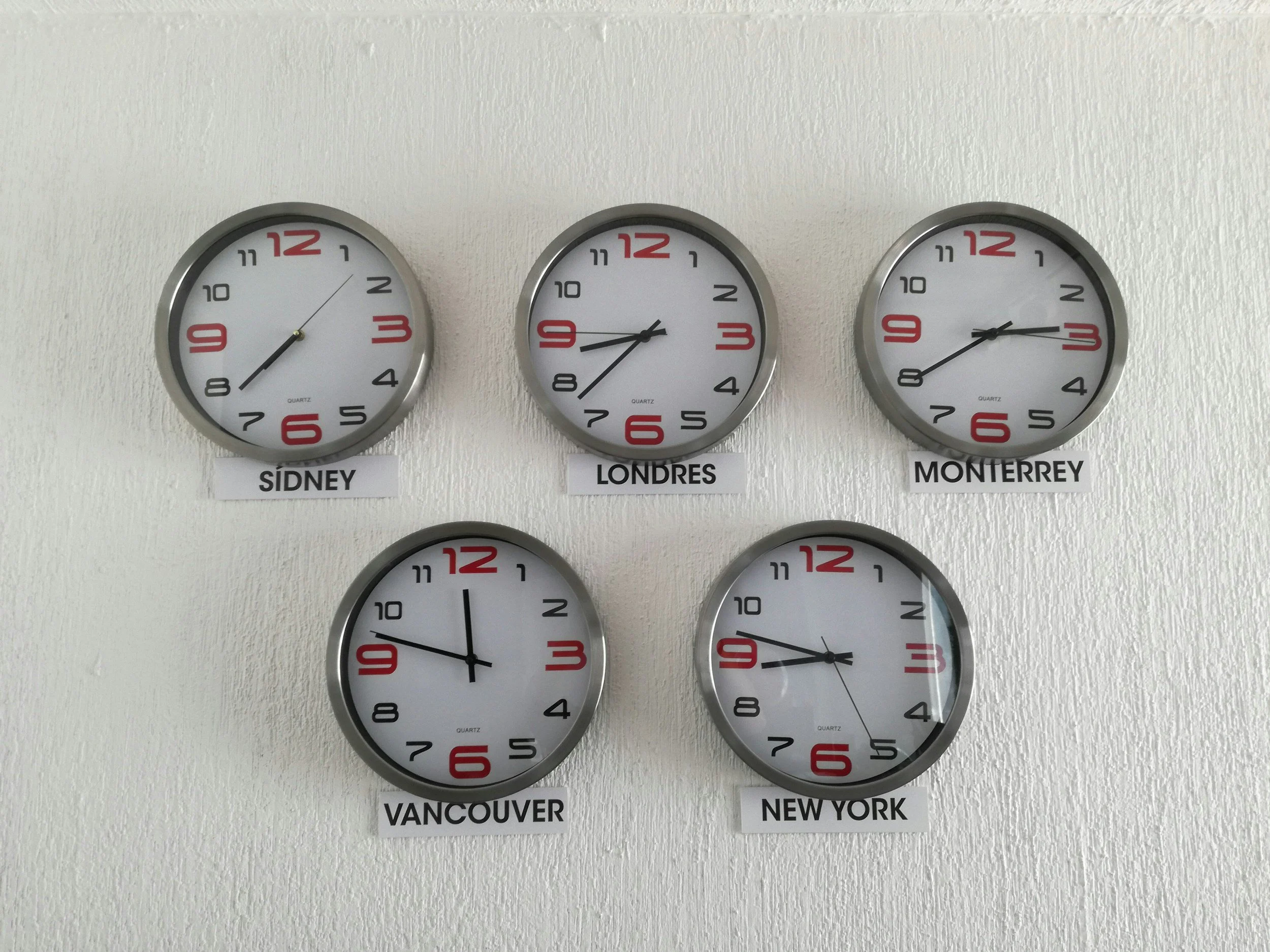
You have not travelled anywhere, but your sleep schedule has moved into a different time zone for the weekend. When Monday arrives, your body is expected to shift back immediately.
What is social jet lag?
Social jet lag is the mismatch between the schedule your body follows on workdays and the schedule it follows on free days.
Work, school, childcare, and other responsibilities often determine when you have to wake up during the week. On weekends, those demands may change, allowing bedtime and wake time to move several hours later.
A one-hour shift may feel small. Your circadian rhythm notices it.
Light exposure, meals, movement, body temperature, cortisol, and melatonin all follow daily patterns. When your sleep timing changes, many of these signals move with it.
You wake later, see morning light later, eat later, move later, and remain exposed to light later into the evening. Your internal clock begins adjusting to the new schedule.
Before that adjustment is complete, Monday forces everything earlier again.
Your body thrives on predictable timing
Your circadian rhythm is built around patterns.
When you wake at a similar time every day, your body begins preparing before the alarm. Cortisol starts rising toward morning, body temperature increases, and the systems responsible for alertness begin switching on.
A consistent bedtime creates a similar pattern in the evening. Melatonin rises around a more predictable time, body temperature begins declining, and sleep becomes easier to initiate.
When bedtime and wake time move back and forth every weekend, your body loses that predictability.
It begins adapting to the later schedule, then gets pulled back to the earlier one. Instead of settling into one rhythm, it is constantly stuck between two.
This is why Mondays can feel so difficult even when you technically slept longer over the weekend.
More than one hour can affect the rest of the week
A small amount of flexibility is realistic. Most people will not go to sleep and wake at the exact same minute every day.
The problem grows when the difference becomes larger than approximately one hour.
If you wake at 6:30 during the week and 9:30 on weekends, your rhythm has moved three hours later. That is similar to travelling across several time zones every Friday and returning every Monday.
The effects may not disappear after one difficult morning. When the shift is large enough, grogginess, lower morning energy, delayed sleepiness, and greater caffeine reliance can continue later into the week.
By the time your body begins settling into the weekday schedule, the next weekend arrives and the pattern starts again.
Use a 45-minute window
The clearest way to reduce social jet lag is to choose a 45-minute window for both bedtime and wake time.
Keep those windows across the full week.
If work requires you to wake at 6:30 a.m., your weekend wake time should be no later than 7:15 a.m.
If your typical bedtime is 10:30 p.m., aim to be in bed between 10:30 and 11:15 throughout the week.
This gives you some flexibility without shifting your internal clock into a different schedule.
Your weekends can still feel different. You can have slower mornings, make a more enjoyable breakfast, read, spend time outside, or relax without immediately beginning the workday.
Wake time is the most important anchor
Keeping bedtime consistent is valuable, but bedtime is not always fully within your control.
Life happens.
There will be dinners, weddings, celebrations, travel, concerts, family events, and nights when you simply stay awake later than planned.
When that happens, keep your wake time within the same 45-minute window.
After a very late night, getting out of bed at your usual time may feel unpleasant. Sleeping several extra hours will feel like the obvious solution.
That extra sleep can also push your circadian rhythm later, make it harder to fall asleep the following night, and turn one late evening into several disrupted days.
Getting up within your normal window contains the disruption.
You may have one tired day, but your internal clock remains much closer to its usual timing. That evening, sleep pressure will be stronger, your normal bedtime will feel more natural, and you can return to your routine quickly.
One tired day is usually easier on the body than beginning another round of back-and-forth time-zone changes.
Start the tired day with light and movement
After a late night, get outdoor light as soon as possible after waking.
Morning light tells your brain that the day has begun. It supports the morning rise in cortisol, increases alertness, and helps reinforce the timing of your circadian rhythm.
Add movement when you can.
This does not need to be a difficult workout. A walk outside, light mobility, household activity, or an easy bike ride can help increase body temperature and reinforce the active portion of the day.
Light and movement work especially well together. They help you feel more awake in the morning and make it easier for your body to recognize the same evening sleep window later that day.
You may still feel tired. That is expected after a short night.
The goal is to avoid turning tiredness into a full schedule shift.
Be careful with naps
A long afternoon nap can reduce the sleep pressure you need to fall asleep at your regular bedtime.
When possible, continue through the day and go to bed during your usual window.
If you are struggling to function safely, a brief nap earlier in the day may help. Keep it short, around 45 minutes at most, and avoid letting it extend into the late afternoon.
The priority is preserving enough sleep pressure to return to your normal bedtime that evening.
Weekends should restore you without shifting you
The desire to sleep later on weekends is understandable.
In many cases, it reflects accumulated sleep loss from the workweek. If you regularly need several additional hours of sleep on Saturday and Sunday, your weekday sleep opportunity may be too short.
Look at the weekday side of the problem.
Could you begin your evening routine earlier? Are screens, chores, work, or revenge bedtime procrastination delaying sleep? Could you move bedtime earlier by 15 or 30 minutes?
Adding sleep across five weekday nights is more stabilizing than trying to recover everything through large weekend sleep-ins.
The goal is to feel restored without moving your entire rhythm.
What consistency can improve
A stable bedtime and wake time allow your body to anticipate what is coming.
Morning alertness can begin rising before you get out of bed. Hunger and digestion can align more consistently with your meals. Melatonin can begin increasing around the same time each evening.
Sunday night becomes easier because your body has not moved several hours later.
Monday morning becomes less abrupt because you are waking near the same time you did all weekend.
Energy becomes steadier across the week, and you spend less time recovering from your own schedule.
Perfect consistency is unnecessary. A predictable 45-minute window gives you enough flexibility for real life while keeping your circadian rhythm anchored.
Key Takeaways
Social jet lag occurs when weekday and weekend sleep schedules do not match.
Shifts greater than one hour can affect energy and sleep later into the week.
Keep bedtime and wake time within the same 45-minute windows across all seven days.
After a late night, wake within your normal window and use morning light and movement.
One tired day is better than shifting your circadian rhythm back and forth all weekend
