
Circadian Health Blog

October Challenge: Walk for 15 Minutes After One Meal Each Day
For the October Challenge, walk for 15 minutes after one meal each day. Begin reasonably soon after eating, keep the pace comfortable, and choose the meal that is easiest to follow consistently. Post-meal movement gives working muscles immediate access to some of the glucose entering the bloodstream, supports digestion, interrupts long periods of sitting, and can reduce the heavy energy slump that sometimes follows a meal. You do not need to walk after every meal. One reliable walk each day is enough.
One Workout Cannot Undo a Day of Sitting
A daily workout is valuable, but it does not make prolonged sitting irrelevant. Your body responds differently to one concentrated exercise session and to light movement repeated across the day. Brief movement breaks keep muscles active, support post-meal glucose control, reduce stiffness, and reinforce daytime alertness. Aim to interrupt long seated periods with two to five minutes of easy movement every thirty to sixty minutes when practical.

How Regular Movement Helps You Sleep Better
Regular movement supports sleep by building healthy sleep pressure, strengthening the contrast between active days and restful nights, regulating stress, and reinforcing the daily rise and fall in body temperature. The benefit comes from repetition, not from exhausting yourself once or twice per week. A mix of walking, strength training, cardio, mobility, and ordinary daily activity can all contribute.

Why a Short Walk After a Meal Matters So Much
A ten- to fifteen-minute walk after a meal helps your muscles use some of the glucose entering your bloodstream, reduces the size of the post-meal rise, supports digestion, and can prevent the energy slump that often follows long periods of sitting. Keep the pace comfortable and begin soon after eating. You do not need to walk after every meal. Start with the meal that is largest or easiest to follow with movement.

Why Movement Is Better in the Morning
Movement at any time is valuable, but morning movement offers several circadian advantages. It reinforces the start of your active day, supports alertness when cortisol is naturally rising, helps advance a rhythm that has drifted late, and can be paired with outdoor light for an even stronger signal. It does not need to be a hard workout. A short walk, mobility routine, or a few minutes of purposeful activity can help your body understand that daytime has begun.
September Challenge: Stop Eating 3 Hours Before Bed
For the September Challenge, finish all food and caloric drinks at least three hours before bedtime, six nights per week. This gives digestion time to settle, creates a clearer separation between daytime eating and nighttime recovery, and may reduce reflux, overheating, blood sugar disruption, and nighttime awakenings. Choose your intended bedtime, count back three hours, and make that your kitchen cutoff.

Why Should I Avoid Eating 3 Hours Before Bed?
Three hours is a useful target, not a magic cutoff. It gives your meal time to settle before you lie down and begin sleeping. Meal size and composition matter as much as the clock, so a large, rich dinner may need more time than a small snack. Aim for the three-hour window when practical, while making room for genuine hunger, medical needs, and recovery after demanding evening exercise.

Is Breakfast Really the Most Important Meal of the Day?
Breakfast is not automatically the most important meal because it happens in the morning. The first meal of your day matters because it provides your first major nutritional and metabolic signal. The specific timing of it is less important. The priority is building it around adequate protein, fibre, and minimally processed foods rather than beginning the eating day with sugar and refined carbohydrates alone.
Does It Matter When I Eat?
What you eat matters, but so does when you eat it. Your body learns from repeated meal patterns and can prepare for food before it arrives. Because digestion raises metabolic activity, heart rate, and body temperature, large meals close to bedtime may interfere with the transition into sleep. You do not need a rigid schedule, but reasonably consistent meals and more space between dinner and bed can support digestion, energy, and recovery.
August Challenge: Consistent Wake Time
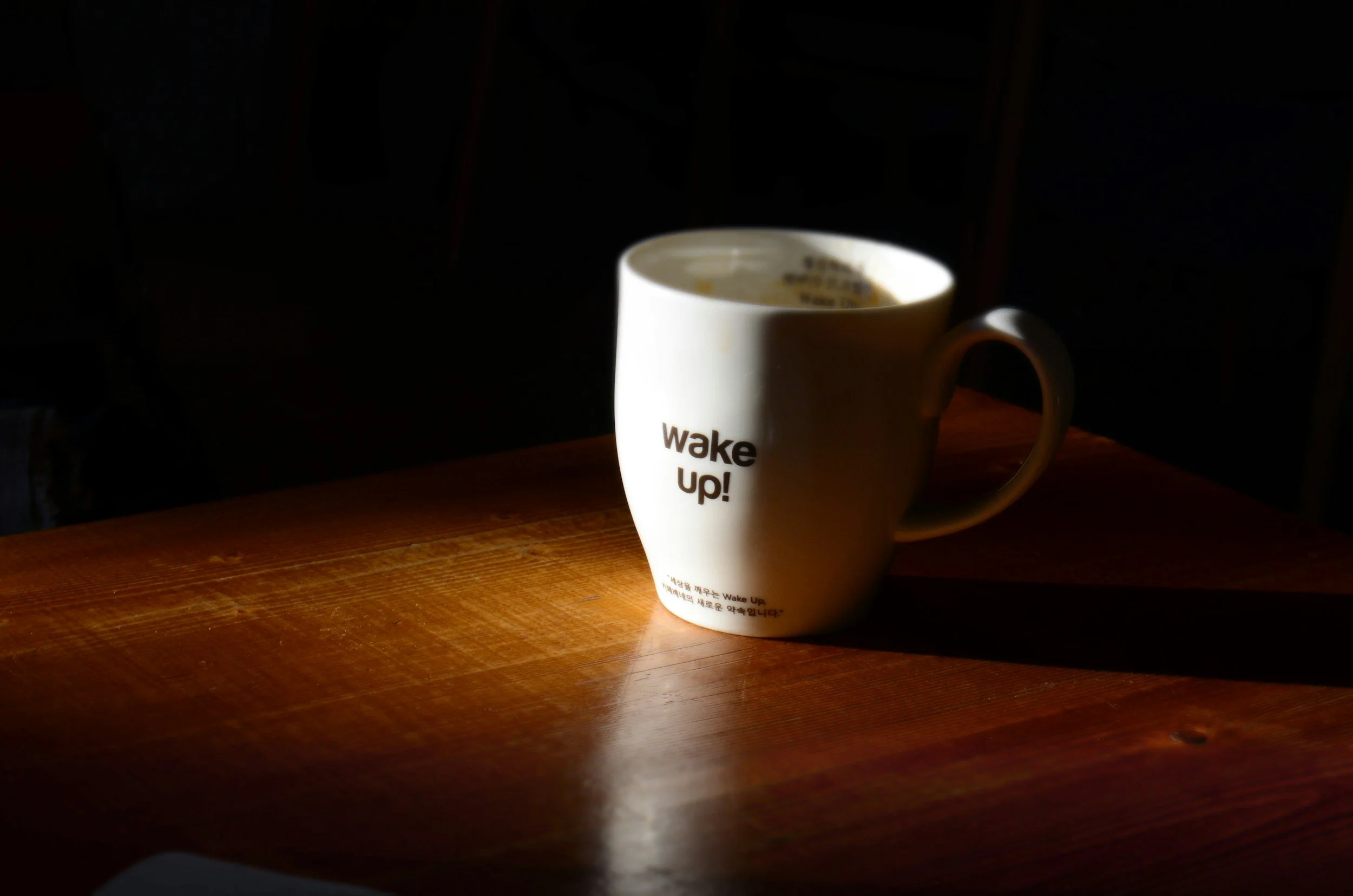
This August, choose a 45-minute wake time window and maintain it every day, including weekends and mornings after late nights. If you normally wake up at 6:30 a.m. for work, your latest weekend wake time should be 7:15 a.m. A consistent wake time strengthens your circadian rhythm, makes morning alertness more predictable, and reduces the social jet lag that can make Mondays feel so difficult. Bonus points for keeping bedtime within a 45-minute window too, although wake time remains the priority when evening plans make bedtime less predictable.
What is Social Jet Lag?
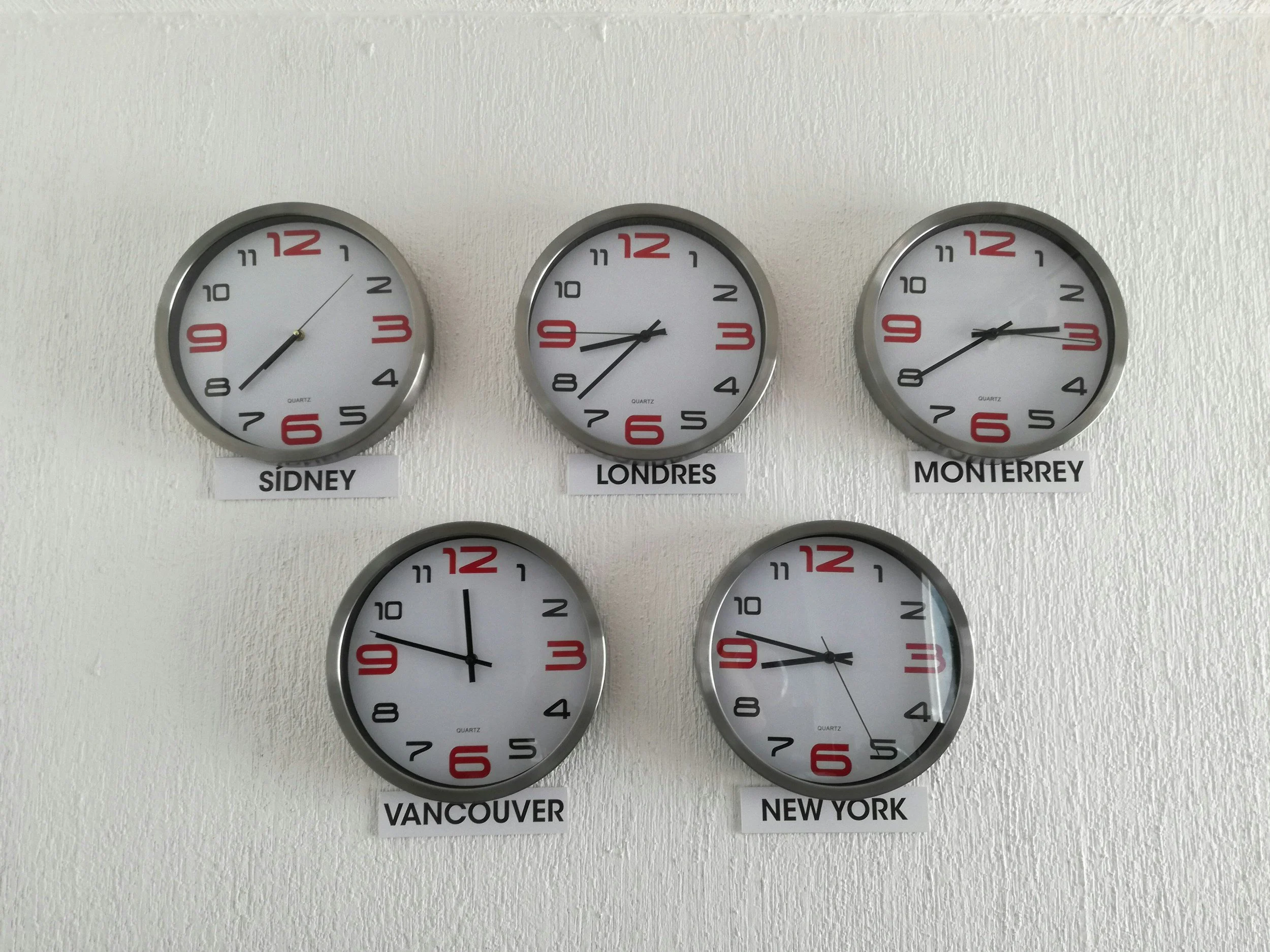
Social jet lag happens when your bedtime and wake time shift substantially between weekdays and weekends. Your body experiences this repeated change much like travelling between time zones, making Monday mornings harder and sometimes affecting your energy later into the week. The most effective way to reduce it is to choose a 45-minute window for both bedtime and wake time and maintain it across all seven days. Wake time is especially important. Even after a late social night, getting up within your normal window, seeking morning light, and adding movement will help preserve your circadian rhythm and make it easier to return to your usual bedtime that evening.

What is Revenge Bedtime Procrastination?
Revenge bedtime procrastination happens when you delay sleep to reclaim personal time after a day spent working, parenting, caregiving, or meeting other people’s needs. The extra hour may feel like the only part of the day that belongs to you, but it often comes directly out of the sleep your body needs. Over time, later nights can lead to shorter sleep, harder mornings, lower energy, and an even greater need to escape the following evening. The solution is not simply more discipline at bedtime. It is creating meaningful personal time earlier, setting clearer boundaries around evening activities, and building a routine that makes going to bed feel less like giving something up.
Why Do I Keep Waking Up at 3 AM?
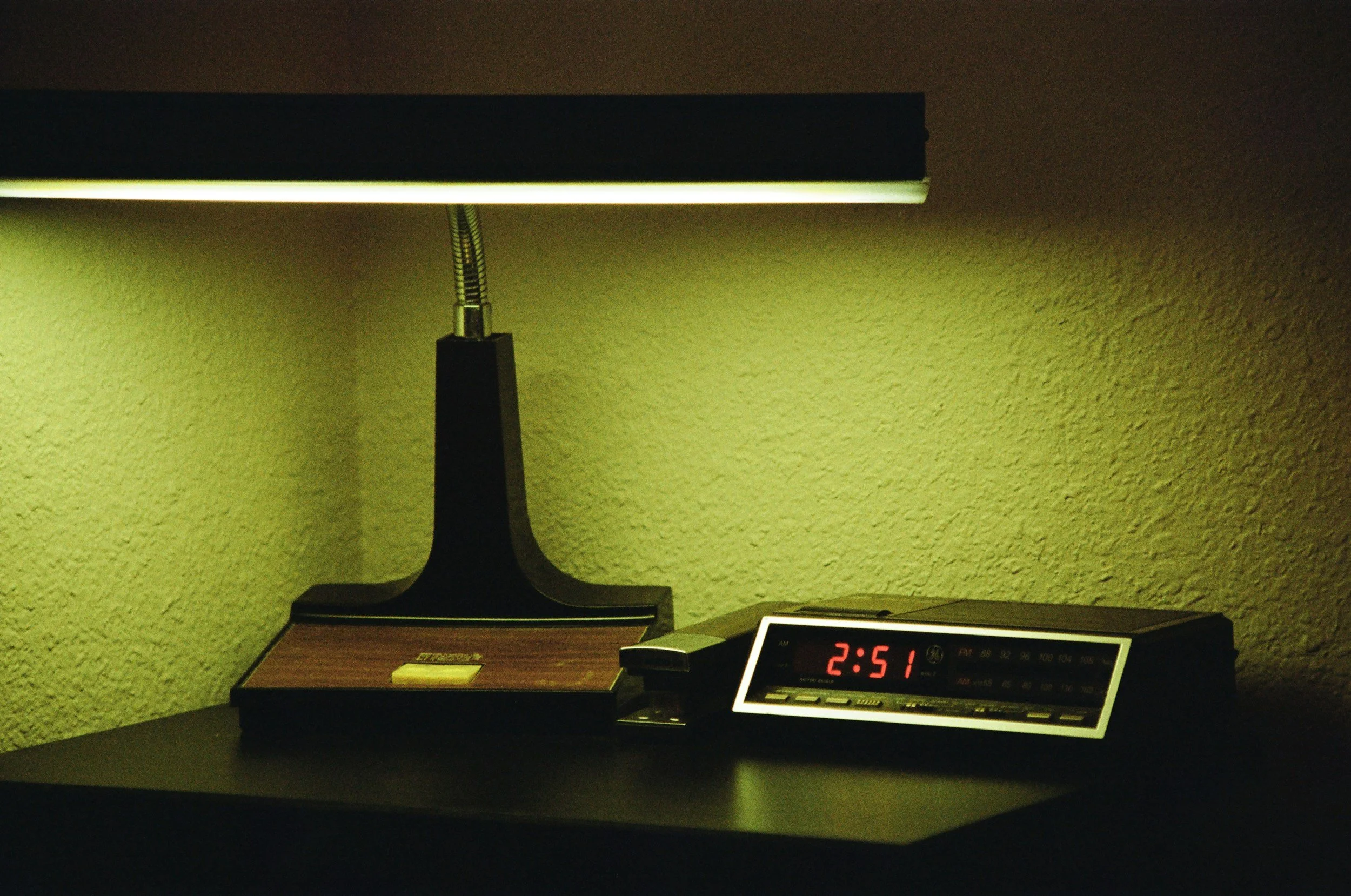
Waking briefly around 3 a.m. is common. The problem begins when a normal awakening turns into a prolonged period of alertness. For many people, this is connected to a weakened contrast between daytime cortisol and nighttime melatonin. Bright morning light, movement, and consistent wake times help support a strong daytime cortisol rhythm, while dim evenings, earlier meals, and lower stimulation allow cortisol to decline and melatonin to rise. When these signals are poorly timed, you may still fall asleep initially but become more alert after waking later in the night. A cool, completely dark, quiet bedroom and removing the clock from sight can also make it much easier to return to sleep before stress and cortisol take over.
Why Does Sleep Matter, Anyway?
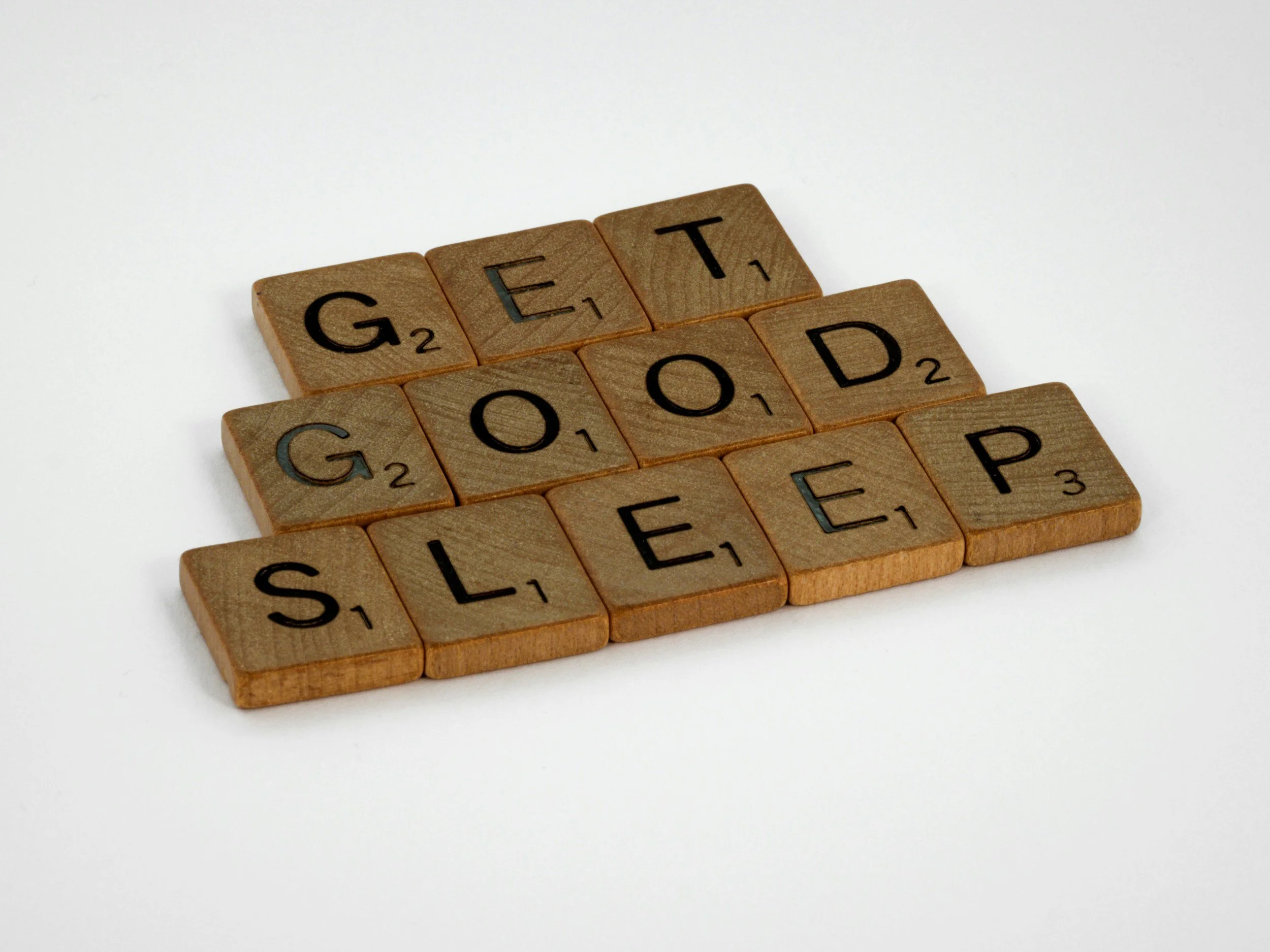
Sleep matters because it is the body’s main recovery and regulation tool. During sleep, the brain and body move through structured stages that support physical repair, immune function, metabolism, emotional regulation, memory, learning, appetite control, body composition, and brain waste clearance. Feeling functional on six hours does not mean the body is fully recovered. The amount of sleep you get, the quality of that sleep, and the timing of that sleep all shape what your body receives from it.

July Challenge: No Screens 1 Hour Before Bed
For the July Challenge, put away all screens one hour before bed, six nights per week. Choose your bedtime, prepare your phone and alarm in advance, plug it in, and replace the screen time with a simple activity you can repeat each night. The first few evenings may feel unfamiliar, but consistency will help turn the final hour of the day into a reliable signal that sleep is approaching.

The Hour Before Bed Matters More Than You Think
Sleep does not begin the moment your head hits the pillow. The hour before bed helps determine whether your body is ready to shift into recovery or still being pushed toward alertness. Light, temperature, food, work, stress, screens, and stimulation all send timing signals. A calmer final hour gives your brain and body a clearer message that the day is ending.
How Your Bedroom Environment Shapes Your Sleep
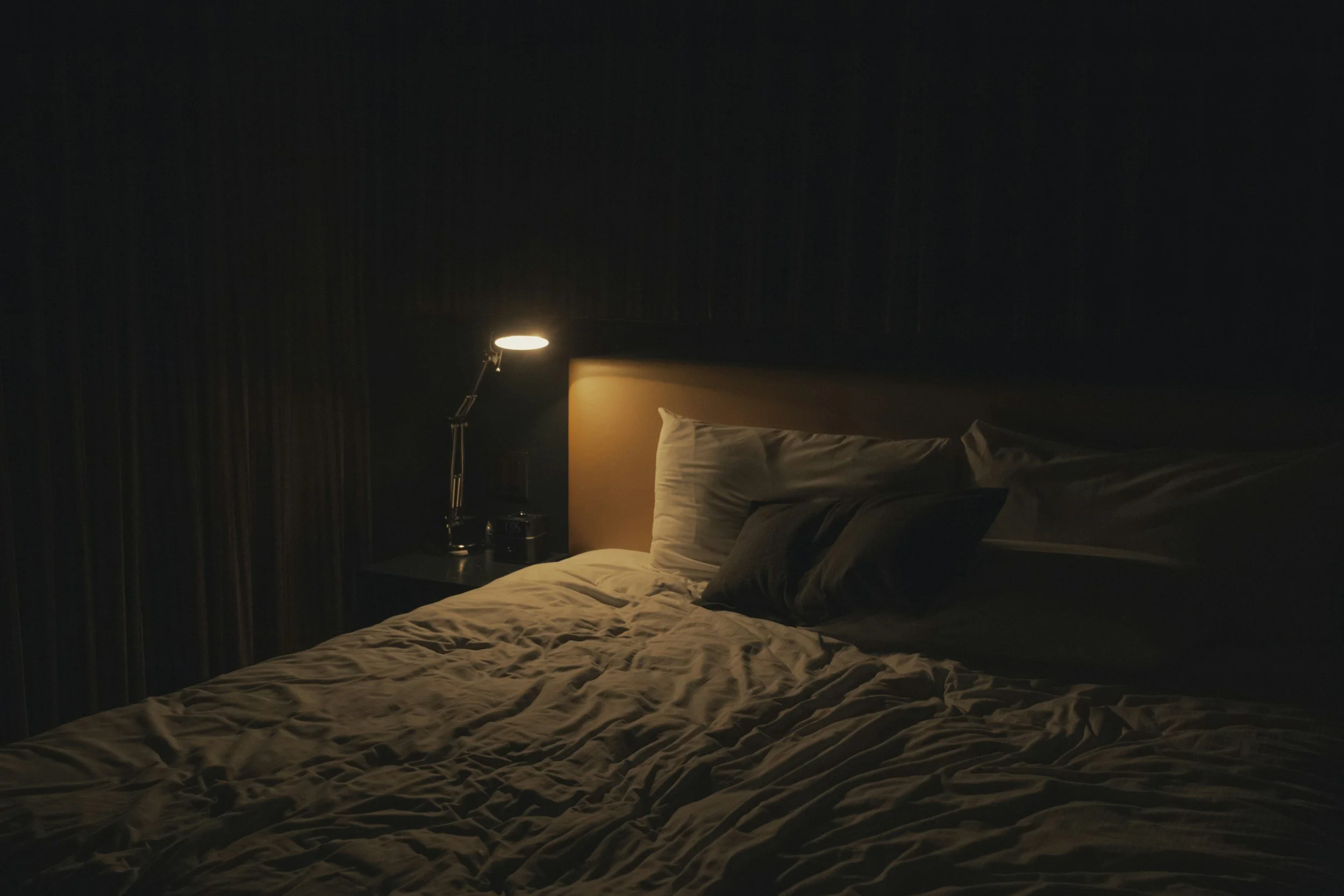
Your bedroom is one of the strongest sleep cues your body receives at night. A cool, dark, and quiet environment helps signal that the day is over and supports the physiological changes needed for sleep. Before changing evening behaviours, it is worth making sure the room itself is working with your biology.
What are Cortisol and Melatonin?
Cortisol and melatonin are two major hormones involved in your body’s daily rhythm. Cortisol helps promote alertness and energy during the day, while melatonin helps prepare the body for sleep and recovery at night. These hormones naturally rise and fall across a 24-hour cycle, and your daily behaviors, especially light exposure, sleep timing, food, and stimulation, strongly influence that rhythm.

June Challenge: Morning Light
This week’s focus is morning light exposure. Your challenge is to get outside within 30 minutes of waking at least 4 mornings this week. Aim for 5 to 10 minutes outdoors, or longer if possible. Keep your sunglasses off if it is comfortable and safe to do so, avoid looking directly at the sun, and pay attention to how your energy, alertness, and sleep respond across the week.

Why Morning Light Matters More Than You Think
Morning light is the most powerful signal for regulating your circadian rhythm. Exposure to natural light shortly after waking helps increase alertness, supports healthy cortisol timing, and sets the stage for melatonin release later that night. Many people focus on improving sleep at night while overlooking the signals that begin the process in the morning.