
How Your Bedroom Environment Shapes Your Sleep
TL;DR
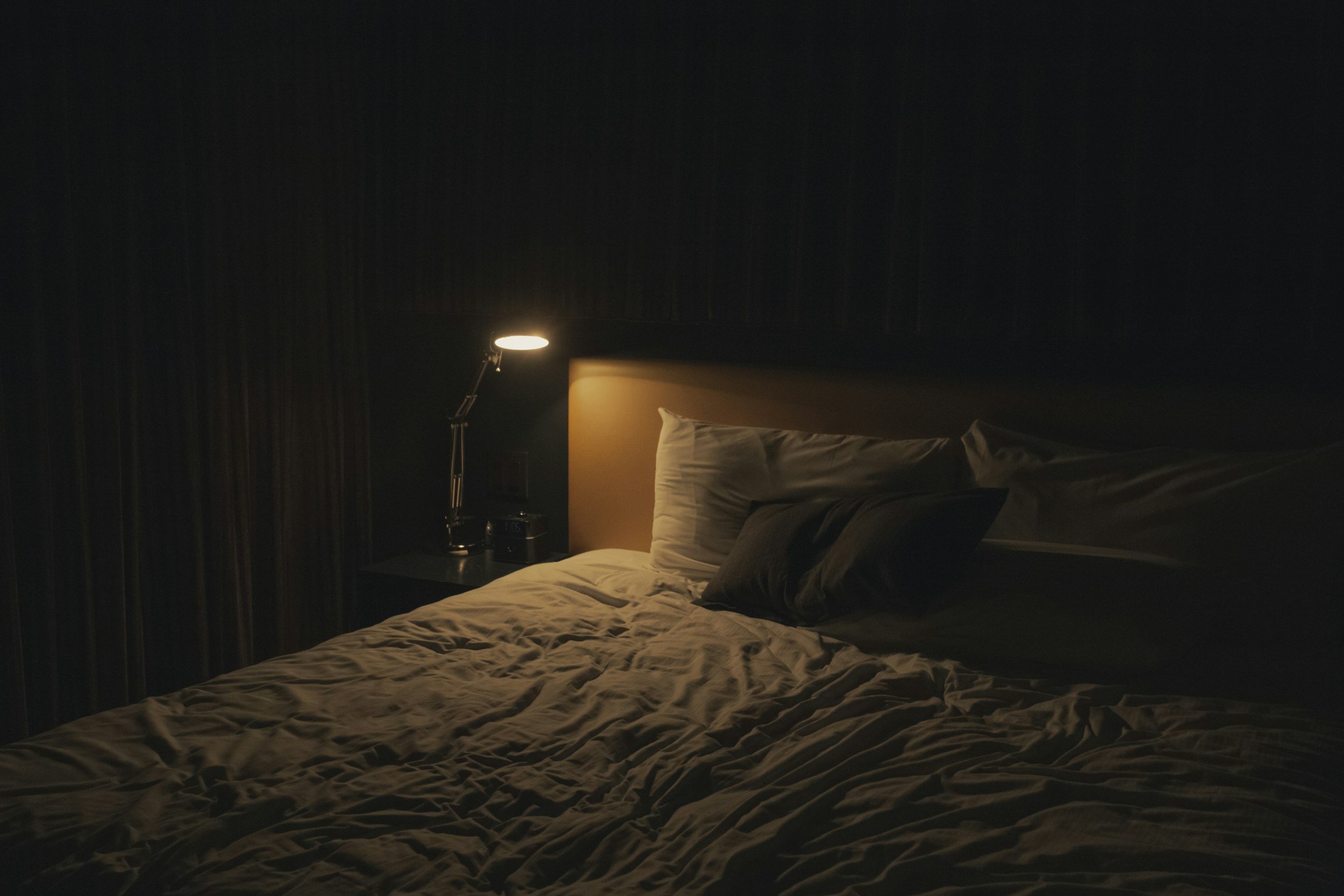
Your bedroom is one of the strongest sleep cues your body receives at night. A cool, dark, and quiet room helps signal that the day is over and supports the physiological changes needed for sleep. Before changing your evening routine, it is worth making sure the room itself is working with your biology.
Your bedroom is a sleep signal
Before changing your habits, start with the room itself.
A lot of sleep advice focuses on behaviour. Avoid caffeine too late. Get morning light. Stop scrolling before bed. Keep a consistent schedule. These behaviours matter, but your body is also constantly reading the environment around you.
Your bedroom sends signals about whether it is time to stay alert or shift into recovery. Temperature, light, and sound all help shape that message.
Morning light helps tell the brain that the day has started. At night, your bedroom should help send the opposite message: the day is over; it is safe to sleep.
Before building a better evening routine, make sure the environment is in place.
Cool helps the body prepare for sleep
Sleep requires a physical transition.
One of the most important changes that happens at night is a drop in core body temperature. Your body needs to release heat in order to fall asleep and stay asleep well.
A good target for bedroom temperature is 19°C, or 66°F.
If the room is too warm, the body has a harder time releasing heat. This can make it harder to fall asleep, increase restlessness, and contribute to more wakeups through the night.
This does not mean you need to feel cold.
The goal is to keep the room itself cool while still feeling comfortable in bed. Heavy blankets, warm pyjamas, socks, or layered bedding are all fine if they help you feel settled and relaxed. What matters most is that the surrounding air is cool enough for your body to release heat throughout the night.
A warm shower or bath before bed can also help. Although it may sound counterintuitive, warming the skin can help the body release heat afterwards. This supports the natural cooling process that helps prepare the body for sleep.
Darkness tells the brain it is night
Darkness is a biological signal.
Most people think their bedroom is dark enough because it feels dark compared to the daytime. But once your eyes adjust, even small sources of light can become noticeable.
Bedroom darkness matters because darkness helps signal night to the body. Dim light in the bedroom can make that signal less clear.
Your brain uses light to help regulate melatonin, alertness, body temperature, and the systems that prepare the body for sleep. Melatonin and cortisol are part of a daily rhythm that helps organize wakefulness and recovery.
Morning should be bright. Night should be dark.
That contrast matters.
A bedroom should be meaningfully dark. Stand in your room at night with the lights off and let your eyes adjust. Then look for every source of light. If something glows, blinks, leaks, or reflects, decide whether it needs to be there.
This could include alarm clocks, chargers, electronics, hallway light, streetlight through the window, or small indicator lights on devices.
If a nightlight is needed, use the dimmest warm-coloured option available. Red or orange light is usually a better choice than blue or bright white light. Place it away from direct eye exposure.
A completely dark room helps reduce wake events throughout the night, and promotes more restorative sleep.
Quiet helps reduce nighttime alerting
The ideal sleep environment is quiet.
For many people, true quiet is difficult to control. Traffic, neighbours, pets, children, snoring, household noises, and heating or cooling systems can all create sound during the night.
The most disruptive sounds are often sudden and unpredictable.
A door closing. A car horn. Footsteps in the hallway. A dog barking. A furnace kicking on.
These sounds can push the brain toward alertness, even if they do not fully wake you up. Sleep becomes lighter and more fragmented when the nervous system keeps receiving unexpected signals.
This is where a fan, white or pink noise machine, or any other steady background sound can be useful. The goal is predictability.
A steady sound can help mask sudden changes in the environment. It is not required for everyone, and it should not be too loud. For some people, true quiet works best. For others, a low, steady sound makes the room feel more stable.
If you use a sound machine, keep the volume low, place it away from your head, and choose a steady sound rather than music, voices, or changing audio. The sound should fade into the background rather than become something your brain follows.
A sleeping brain responds well to consistency.
Start with the room before the routine
Changing behaviours takes ongoing effort. Changing the environment can often be done with a few simple decisions.
You can set the thermostat, cover a small light, move the phone charger. You can add blackout curtains and test a fan or sound machine.
Make the bedroom feel more like night before asking yourself to overhaul your whole evening.
This matters because your environment can either support your habits or quietly work against them.
A warm, bright, unpredictable room sends mixed signals.
A cool, dark, quiet room gives the body a clearer message.
Evening routines, screen habits, and bedtime behaviours all matter. But the bedroom itself is the first layer. A well-designed sleep environment gives every other sleep habit a better foundation.
Key Takeaways:
Your bedroom is one of the strongest nighttime signals your body receives
A cooler room, around 19°C, or 66°F, helps support the body’s natural drop in core temperature
Darkness helps signal night to the brain and supports circadian rhythm
Quiet is ideal, but predictable sound can help mask sudden disruptions
Before changing bedtime behaviours, make sure the room itself supports sleep
