
Does It Matter When I Eat?
TL;DR
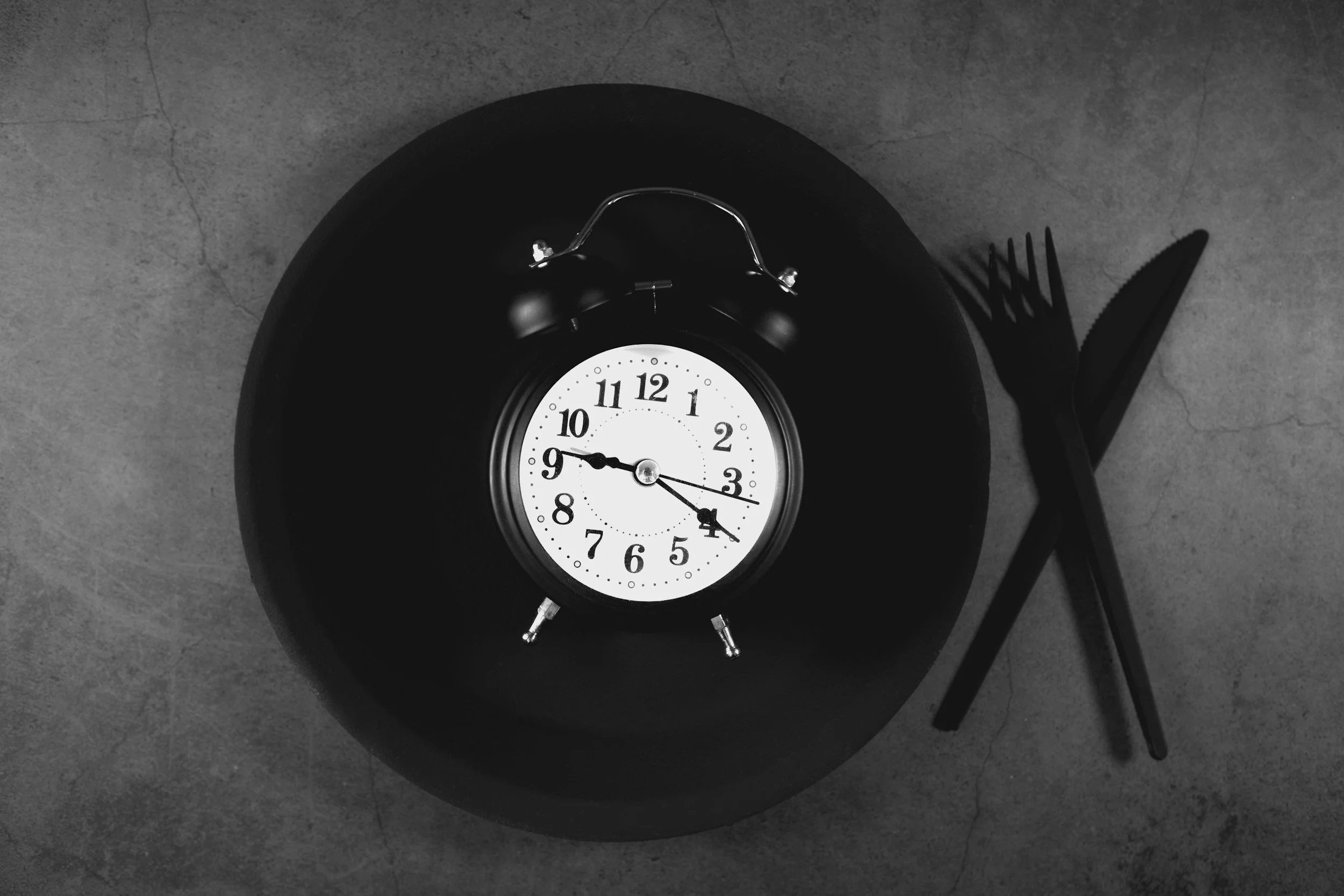
What you eat matters, but so does when you eat it. Your body learns from repeated meal patterns and can prepare for food before it arrives. Because digestion raises metabolic activity, heart rate, and body temperature, large meals close to bedtime may interfere with the transition into sleep. You do not need a rigid schedule, but reasonably consistent meals and more space between dinner and bed can support digestion, energy, and recovery.
Food is more than fuel
We usually think about food in terms of its contents.
How much protein does it have? Is it high in fibre? Does it contain enough vitamins and minerals? Is it minimally processed?
These are important questions. But they leave out another part of nutrition: timing.
Food does not simply provide calories and nutrients. Eating also sends information to the body. It signals that the active and feeding portion of the day is underway and that the digestive and metabolic systems need to become active.
Morning light is the strongest signal for the brain’s central circadian clock. Food, however, is an important timing signal for many of the clocks found throughout the digestive system, liver, pancreas, muscles, and other tissues.
Changing meal timing can shift daily rhythms in blood-glucose regulation even when the timing of the brain’s central clock remains relatively unchanged. In other words, when you eat can influence the timing of metabolic systems throughout the body.
Your body learns when to expect food
Your circadian system is designed to anticipate recurring events.
When you wake at a similar time each day, your body begins preparing for wakefulness before your alarm sounds. When you regularly become active in the morning, your body learns that movement is part of the beginning of the day.
Meals work in a similar way.
When food arrives at reasonably predictable times, the body can begin preparing for it. Hunger signals may increase. Digestive movement begins to change. The stomach, pancreas, and other digestive organs can prepare the acid, enzymes, hormones, and other secretions required to process the meal.
Think of it like a restaurant kitchen.
If the staff knows the dinner rush begins at 6:00 p.m., ingredients can be prepared, equipment can be heated, and everyone can be in position before the first order arrives. If customers arrive at completely unpredictable times, the kitchen can still produce the food, but the process is less organized.
Your body can digest a meal at an unusual time. Nothing suddenly stops working because lunch happened an hour later than usual. But repeated patterns allow the body to anticipate what is coming rather than respond entirely after the fact.
This does not mean breakfast must happen at exactly 7:31 every morning or that a delayed lunch is harmful. Circadian health is not about creating anxiety around a schedule. It is about giving the body enough consistency to recognize a pattern.
Eating requires work
Eating gives the body energy, but processing food also uses energy.
After a meal, the body must break food down, move it through the digestive system, absorb nutrients, transport them, and either use or store them. This is sometimes called the thermic effect of food: the increase in energy expenditure that occurs after eating.
Digestion also increases blood flow to the digestive organs and temporarily raises heart rate and body temperature. The size and composition of the meal influence the size and duration of this response. A large mixed meal generally creates more digestive work than a small, simple snack.
None of this is bad. It is a normal and necessary part of being alive.
During the daytime, increased metabolic activity fits naturally with what the body is already trying to do. You are awake, moving, thinking, working, and interacting with the world. Your body temperature and alertness are meant to be higher.
The context changes as bedtime approaches.
Digestion and sleep send different signals
Preparing for sleep involves a gradual reduction in physiological activity.
Heart rate begins to slow. Alertness decreases. Melatonin rises under the right lighting conditions. Core body temperature begins moving downward. The nervous system shifts away from active engagement and toward recovery.
A large meal can push in the opposite direction.
Heart rate may rise. Body temperature may remain elevated. The digestive system becomes active. Blood sugar and insulin respond to the incoming food. Lying down with a full stomach may also contribute to reflux, bloating, or physical discomfort.
This does not mean digestion turns off overnight, or that eating automatically prevents the body from repairing itself. The body can manage several processes at once. But eating close to bedtime asks it to begin a demanding digestive process during the same period when it is trying to reduce activity and transition into sleep.
Sleep is not an on-off switch. It is the result of a transition. Food is one of the inputs that can either support or complicate that transition.
There is a strong association between later meals and shorter intervals between eating and bedtime with poorer sleep outcomes. Late meals can meaningfully affect overnight glucose and metabolic responses even when changes in measured sleep stages are smaller or inconsistent.
Meal size, food composition, personal digestion, reflux, activity, and the timing of the rest of the day all matter.
Consistency does not require rigidity
A useful meal-timing routine should make life easier, not more stressful.
You do not need to eat every meal at the exact same minute. Social events happen. Workdays change. Children have unpredictable evenings. Travel, sports, appointments, and family schedules can all move meals around.
The goal is to create a recognizable rhythm most of the time.
For one person, that might mean eating breakfast between 7:00 and 8:00 each morning. For another, it might mean consistently having their first meal closer to 10:00. Lunch might happen within the same general hour each day. Dinner might usually finish several hours before bed, with occasional exceptions.
A recurring pattern is more important than a perfect one.
It is also worth remembering that one late meal is not the problem. Circadian health is shaped by what happens repeatedly. The body can easily accommodate the occasional restaurant dinner, holiday meal, or disrupted evening.
The question is not: Did I eat at the perfect time today?
A more useful question is: What pattern am I teaching my body to expect?
The bigger picture
Nutrition is not only about selecting healthy ingredients.
It is also about helping the body use those ingredients at a time that supports the rest of the day.
Reasonably consistent meals help reinforce the active phase of your circadian rhythm. Separating larger meals from bedtime gives the body more time to complete the most demanding parts of digestion before sleep. Together, these patterns can create clearer boundaries between daytime activity and overnight recovery.
That recovery matters. Sleep supports physical repair, immune function, metabolism, memory, emotional regulation, and nervous-system stability.
Food supports those processes by providing the necessary energy and nutrients.
Timing helps determine when the body is being asked to digest, and when it is being given the space to recover.
Key Takeaways:
Food timing helps set circadian rhythms throughout the body.
Consistent meal patterns allow the body to prepare for digestion.
Digestion temporarily raises metabolic activity, heart rate, and body temperature.
Large meals close to bedtime may make the transition into sleep more difficult.
Aim for a recognizable routine, not a perfectly rigid schedule.
