
October Challenge: Walk for 15 Minutes After One Meal Each Day
TL;DR
For the October Challenge, walk for 15 minutes after one meal each day. Begin reasonably soon after eating, keep the pace comfortable, and choose the meal that is easiest to follow consistently. Post-meal movement gives working muscles immediate access to some of the glucose entering the bloodstream, supports digestion, interrupts long periods of sitting, and can reduce the heavy energy slump that sometimes follows a meal. You do not need to walk after every meal. One reliable walk each day is enough.
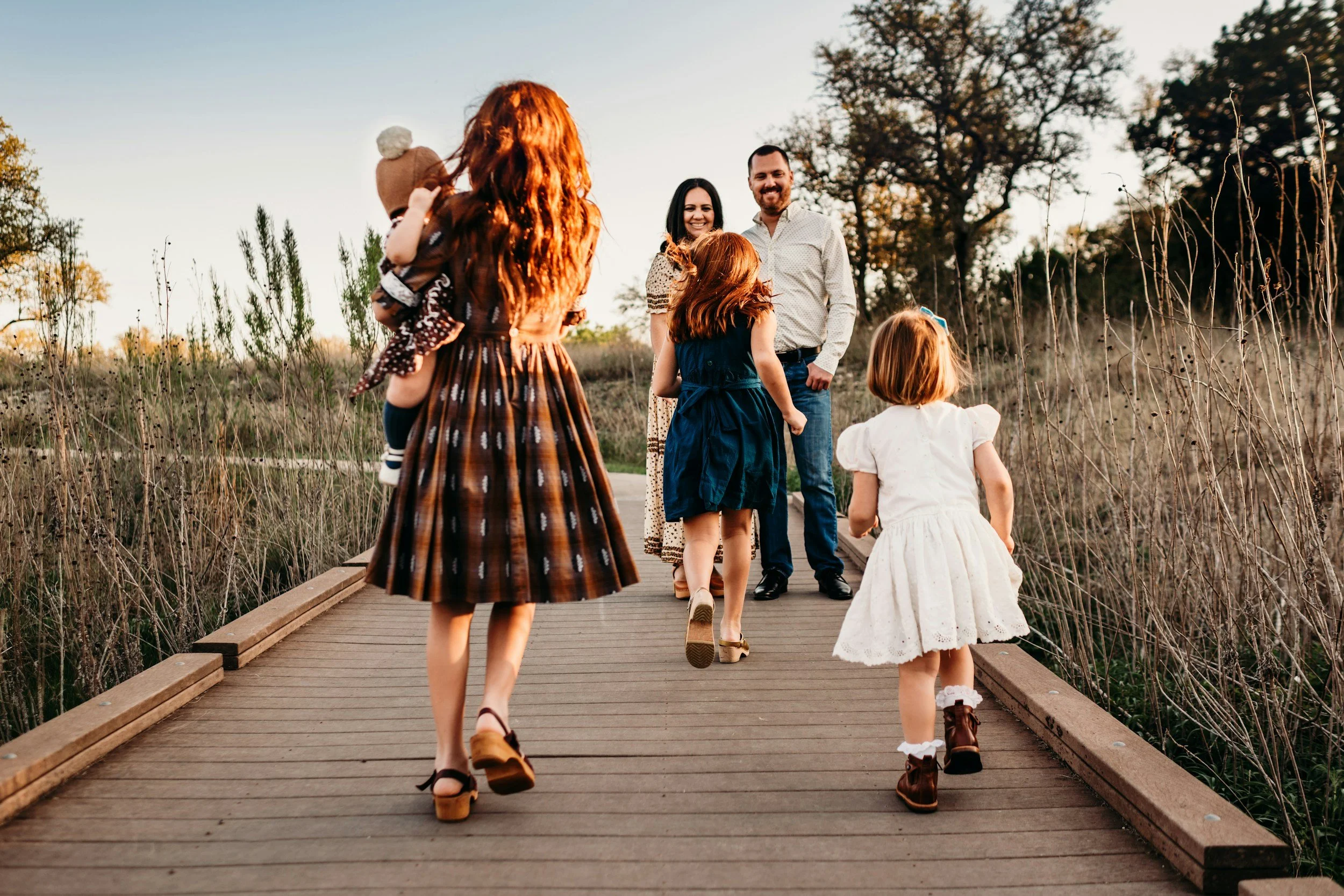
The October Challenge
Take a 15-minute walk after one meal each day.
Breakfast, lunch, or dinner can all work. The best choice is the meal you can follow with movement most consistently.
If lunch ends at 12:30 p.m., start walking around 12:35. If dinner is the easiest opening in your schedule, clear your plate and head out before settling onto the couch. The pace should feel comfortable enough that you could carry on a conversation.
The challenge is not about burning off what you ate. It is about matching a period of incoming energy with a period of light muscle activity.
September focused on placing movement where it can do more. Food and activity are both daily signals that help organize the circadian system, and October turns that idea into one repeatable action: light movement just after a meal.
Your muscles can help manage the meal
After you eat, carbohydrate is broken down into glucose and released into the bloodstream. Insulin helps move that glucose into cells, where it can be used immediately or stored for later.
Skeletal muscle is one of the largest places that glucose can go.
When you walk, the muscles in your legs begin contracting and using energy. That creates an immediate demand for some of the fuel arriving from the meal. The body does not need to manage the entire meal while your largest muscles remain inactive.
This is why timing matters. A 15-minute walk is useful at many points in the day, but placing it after a meal gives the movement a specific metabolic job.
It can also help smooth the rise and fall in energy that some people feel after eating. You may still experience a natural afternoon dip, but you are less likely to compound it by moving directly from lunch into another long, uninterrupted period of sitting.
Choose one meal, not all three
The most common way to make a simple habit difficult is to make it unnecessarily ambitious.
You do not need to walk after breakfast, lunch, and dinner. You do not need to reach a certain speed or distance. You do not need to turn the walk into a workout.
Choose one meal.
For many people, lunch is a useful target because it breaks up the workday and provides movement during the natural early-afternoon decline in alertness. Dinner may be easier for families because the walk can become part of the evening routine. Breakfast may work best for someone who already takes the dog outside or walks as part of a commute.
Start with the meal that already has a small opening after it. A habit fits more easily into an existing gap than into a completely redesigned day.
Keep the walk comfortable
This should feel like light activity, not training.
A very hard effort immediately after a large meal may feel uncomfortable because digestion and intense exercise are both asking for blood flow and attention. A relaxed walk lets you move without creating that competition.
Outside is ideal when it is practical. Natural light adds another useful daytime signal, fresh air can improve the transition out of a meal, and the change of environment helps separate the walk from whatever comes next. An indoor hallway, treadmill, shopping centre, office loop, or a few laps around the house still count.
The value comes from muscle contraction and repetition, not scenery.
Make the first two minutes automatic
Fifteen minutes is not usually the difficult part. Starting is.
Decide in advance what happens when the meal ends. Put your shoes near the door. Leave your coat where you can grab it. Block the time on your work calendar. Tell the person you eat with that you are taking a quick walk. If dinner is your chosen meal, avoid beginning another activity before you leave.
The less time you spend deciding, the more likely the walk is to happen.
Weather will occasionally interfere. On those days, walk indoors. If your schedule truly cannot hold one continuous 15-minute block, two shorter walks are still useful, but keep the full 15-minute version as the normal target.
What should you notice?
Pay attention to how you feel during the hour or two after the meal.
Do you feel less heavy or sluggish? Does digestion feel more comfortable? Is it easier to return to work without immediately reaching for caffeine? If you walk after dinner, does the movement help create a cleaner end to the eating period and a calmer transition into the evening?
You do not need to track every detail. The goal is to notice whether the same meal feels different when it is followed by movement instead of a chair.
One walk will not tell you much. A month of repetition will.
Keep the challenge flexible
Some days will not go as planned. A meeting will begin immediately after lunch. The weather will be terrible. A child will need you. You may be travelling, ill, injured, or eating in a setting where leaving for a walk is unrealistic.
Move the walk to another meal when you can. If walking is not appropriate for your body, use another form of gentle movement that has been cleared for you. People who experience dizziness, unusual shortness of breath, chest pain, or symptoms related to blood sugar should follow appropriate medical guidance rather than pushing through them for the sake of the challenge.
Consistency matters, but the habit is meant to support your health, not become another rigid rule.
The goal for October
Choose one meal.
Walk for 15 minutes after it.
Repeat tomorrow.
This is a small amount of movement placed at a high-value time. By the end of the month, the walk should feel less like an extra task and more like the natural way the meal ends.
Key Takeaways
- Walk for 15 minutes after one meal each day.
- Choose the meal that is easiest to follow with movement consistently.
- Keep the pace comfortable enough to support digestion and easy conversation.
- Post-meal muscle activity gives incoming glucose somewhere useful to go.
- Focus on repeating one simple walk rather than creating a perfect routine.
