
One Workout Cannot Undo a Day of Sitting
TL;DR
A daily workout is valuable, but it does not make prolonged sitting irrelevant. Your body responds differently to one concentrated exercise session and to light movement repeated across the day. Brief movement breaks keep muscles active, support post-meal glucose control, reduce stiffness, and reinforce daytime alertness. Aim to interrupt long seated periods with two to five minutes of easy movement every thirty to sixty minutes when practical.
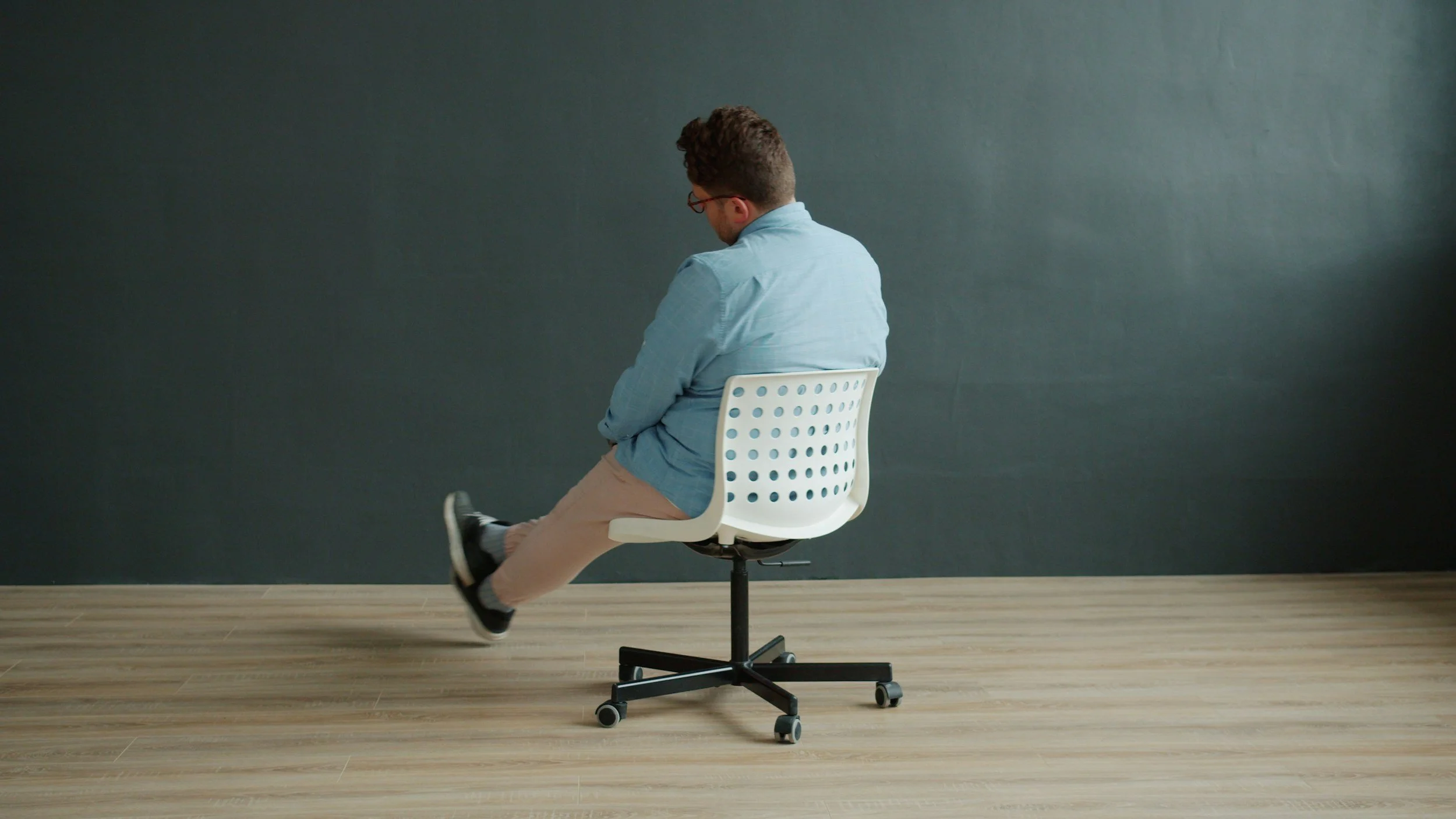
You can exercise and still spend most of the day inactive
Imagine someone who completes a hard forty-five-minute workout before work.
They feel accomplished, and they should. The workout supports fitness, strength, cardiovascular health, and sleep.
Then they sit for breakfast, sit in the car, sit at a desk for most of the next eight hours, sit during the drive home, eat dinner, and sit on the couch.
That person exercised. They also spent nearly the entire day sedentary.
Both facts can be true.
The goal is not to diminish the workout. It is to recognize that your body responds to the pattern of the remaining hours too.
Exercise and movement are related, but they are not identical
Exercise is usually planned, structured, and challenging enough to improve a particular capacity. You lift to become stronger. You run to improve endurance. You attend a class to train balance, power, mobility, or cardiovascular fitness.
Daily movement is broader. It includes standing, walking across a room, carrying laundry, taking stairs, gardening, cleaning, changing position, and every small muscular effort between workouts.
You need both.
A workout can create adaptations that light movement cannot. Light movement can prevent hours of complete muscular inactivity in a way one isolated workout cannot.
Treating them as interchangeable creates a blind spot. You can meet an exercise goal and still benefit from moving more often.
Long, uninterrupted sitting changes the way your body handles energy
When you sit for a long period, the large muscles of the legs remain mostly quiet.
Energy expenditure falls. Muscle contractions become infrequent. Glucose and fat arriving in circulation have less immediate demand from active tissue. Stiffness builds because joints and connective tissues remain in the same positions.
This becomes especially relevant after meals. Light muscle activity helps the body manage incoming glucose, while remaining seated for the entire post-meal period removes that assistance.
Brief walking breaks can change the response even when the total amount of movement seems small. The value comes partly from ending the uninterrupted period of stillness.
Your circadian system notices the pattern too
Movement is one of the daily signals that helps shape your circadian rhythm.
A morning workout creates a strong burst of that signal, but the body continues collecting information for the rest of the day. If the next ten hours involve almost no activity, the daytime message becomes weaker.
Frequent light movement helps sustain alertness, circulation, and body temperature during the hours when you are meant to be awake. It creates a clearer contrast with the stillness that should increase later in the evening.
This does not mean you should be constantly busy. Rest is important. The issue is not sitting itself. The issue is allowing sitting to continue for hours without interruption, especially when that pattern repeats every day.
Movement snacks are intentionally small
A movement snack is a short burst of activity inserted into the day.
It may last two minutes or five. You might walk to refill your water, take one flight of stairs, complete a few slow squats to a chair, carry something to another room, stand and stretch, or walk while taking a phone call.
The activity should be easy enough that you do not need to change clothes, warm up, shower, or recover. If it becomes a major production, it will not happen often enough to serve its purpose.
Think of movement snacks as punctuation. They break one long block of sitting into several shorter blocks.
How often should you move?
There is no single interval that fits every person and every job.
A practical starting point is two to five minutes of movement every thirty to sixty minutes during long seated periods. You do not need to interrupt focused work the moment a timer rings. Finish the thought, then move before beginning the next block.
Natural transitions are often easier than alarms. Stand after a meeting. Walk when a phone call ends. Refill water before starting a new task. Use the washroom on another floor. Put away one household item whenever you leave a room. Walk for a few minutes after lunch before returning to your desk.
The best cue is one already built into your day.
Standing is useful, but moving is better
A standing desk can change posture and reduce the time spent seated, but standing still is still a low-activity state.
Alternating between sitting and standing may improve comfort. Adding actual movement is what creates repeated muscle contractions and a larger metabolic effect.
If you use a standing desk, avoid treating standing as the complete solution. Shift position, take a few steps, raise your heels, walk during calls, or leave the desk briefly.
The body is not asking for one perfect posture. It is asking for variety.
Do not turn movement into constant interruption
There is a point where trying to optimize every hour makes the day harder rather than healthier.
You do not need to pace during every meeting or feel guilty whenever you sit. Deep work, driving, meals, reading, conversation, and rest all involve periods of stillness.
Focus on the longest and most automatic blocks. If you normally sit for three hours without noticing, begin by interrupting that block once. If lunch always leads directly into a two-hour desk session, add a short walk first.
Small changes to the most repeated patterns create more value than constant monitoring.
Carry this into October
September has focused on placing movement where it can do more: early in the day, after meals, across the week, and between long periods of sitting.
Next month's challenge brings those ideas together in one simple habit: take a fifteen-minute walk after one meal each day.
One walk will not replace every other kind of movement. It will give you a reliable anchor. It attaches activity to something that already happens, breaks up sitting, supports the way your body handles a meal, and strengthens the active portion of the day.
That is how a circadian habit becomes sustainable. It has a clear cue, a realistic action, and a reason that extends beyond checking a box.
Key Takeaways
A structured workout does not make the rest of a sedentary day irrelevant.
Light movement and planned exercise support the body in different ways.
Break long seated periods with two to five minutes of movement when practical.
Use natural transitions such as meetings, calls, meals, and task changes as cues.
In October, build one daily fifteen-minute walk directly after a meal.
